
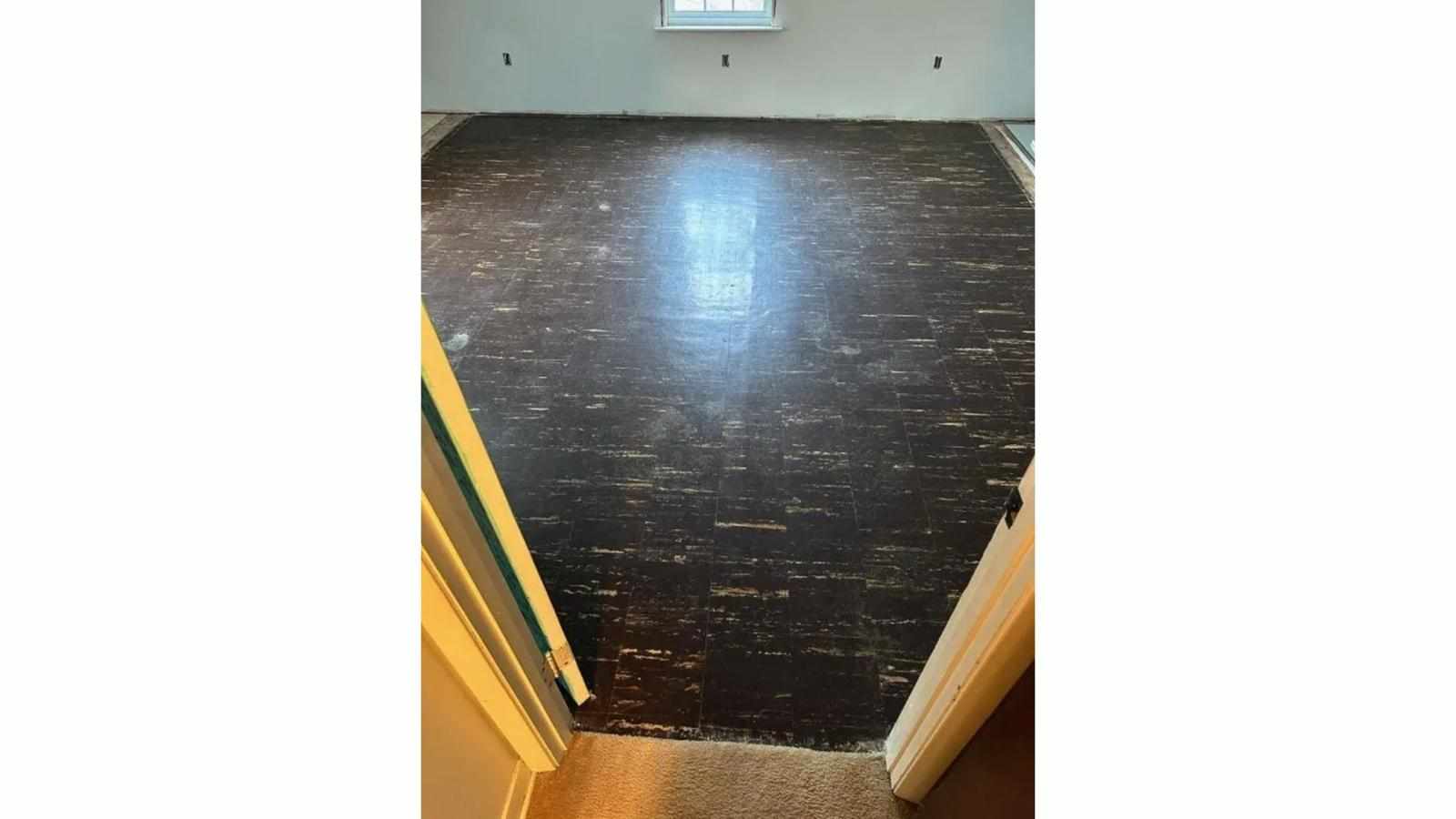
Have you ever pulled up old flooring and found a sticky black layer underneath? Although it could appear difficult to clean, the correct procedures can safely remove it. A black mastic remover helps soften the old glue so it is easier to lift from concrete and tile floors.
Before you begin, make sure you know what type of adhesive you are dealing with and prepare the area well. Working carefully keeps you safe and helps protect your floor from damage.
Why Safe Removal Matters?
Black mastic is a strong glue that was often used to hold down old floor tiles. It sticks very well, which is why it can be difficult to remove. Even though it is tough, you should never rush the job. Taking your time makes the work easier and safer.
Some older homes still have this type of adhesive under the flooring. If you scrape or sand it too quickly, you could damage the floor below. You may also create dust that is not safe to breathe. That is why it is always a good idea to learn about the adhesive before removing it.
Black Mastic Asbestos: What You Should Know
If your home is older, there is something important to check before removing the adhesive. Some old flooring glue may contain black mastic asbestos. You cannot tell just by looking at it, so testing is the safest choice.
If the test shows asbestos is present, do not sand, grind, or break the adhesive into dust. These actions can release tiny fibers into the air. Instead, follow your local safety rules or contact trained professionals who know how to remove it safely.
If the adhesive does not contain asbestos, you can use safer removal methods with much less worry. Knowing the test result first helps you choose the right way to continue your project.
Choosing the Right Removal Method
The best removal method depends on how thick the adhesive is and what type of floor is underneath. Here are a few easy pointers to assist you:
Use a citrus-based or eco-friendly adhesive remover made for flooring.
Let the remover soak into the glue before scraping.
Use a plastic scraper to help protect the floor surface.
Work on one small section at a time.
Wear gloves, eye protection, and keep fresh air moving through the room.
Being patient is very important. Giving the remover enough time to soften the glue makes the job much easier. It also helps prevent damage to the concrete or tile.
Black Mastic Remover: Best Practices for Concrete and Tile Floors
Using a remover the right way helps you get better results. Read the instructions on the product before you begin. Every remover works a little differently, so following the directions is important.
Concrete floors often soak up some of the softened glue. Because of this, you may need to apply the remover more than once. Tile floors need extra care because sharp tools can scratch the surface or damage the grout between the tiles.
After removing the adhesive, wash the floor well to remove any leftover cleaner. A clean surface is important before adding new flooring. Never use products that can easily catch fire inside your home.
Preparing Floors for a Professional Finish
Once all the old adhesive is gone, take a few more steps before putting down new flooring.
Clean away any small pieces of glue that are still on the floor.
Fill cracks or holes in the concrete if needed.
Let the floor dry completely.
Verify sure the surface is smooth and level.
Use a primer or underlayment if your new flooring requires it.
These simple steps help new flooring stick better and last longer. They also help give your room a neat and finished look.
A Note on Decorative Flooring
Many people like to give their floors a fresh new style after removing old adhesive. One popular choice is colored quartz sand. It is often mixed into epoxy flooring to create a strong and attractive surface.
It adds texture, bright colors, and extra grip. This makes it a good option for garages, workshops, stores, and even some homes. It also helps floors resist scratches, stains, and moisture.
Final Statement
Removing old flooring adhesive may seem like a big job, but it becomes much easier when you follow safe steps. Check older adhesives before removing them, use the right tools, and clean the floor carefully after the work is done.
Taking your time helps protect both your health and your flooring. With the proper care and a good black mastic remover, you can prepare concrete and tile floors for a smooth, clean, and long-lasting new finish.

Write a comment ...